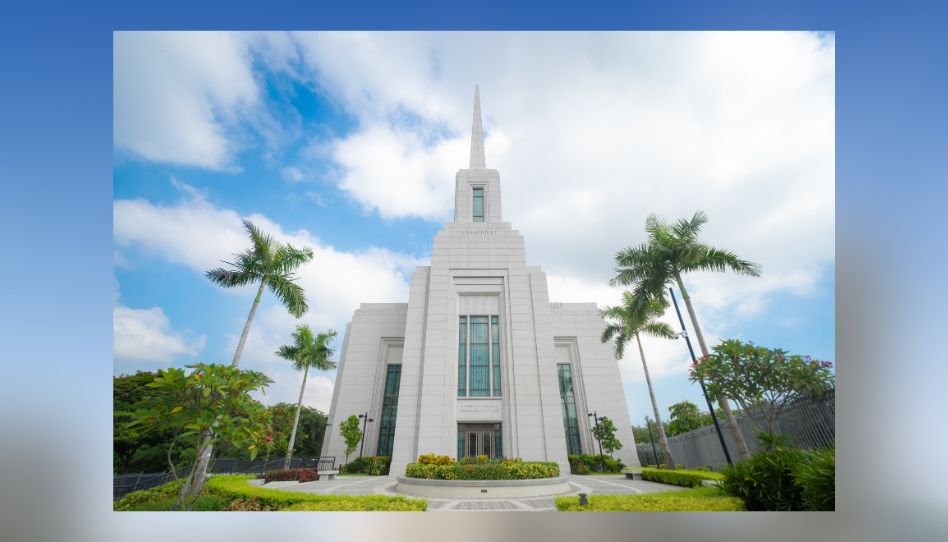
If you have driven past a temple of The Church of Jesus Christ of Latter-day Saints, you might have wondered what it looks like inside. Usually, these buildings are reserved for Church members to participate in sacred ceremonies. However, when a new temple is built—or an old one is renovated—the doors are thrown open to the general public.
This “Open House” period is a special time when anyone, regardless of religion or age, is invited to walk through the building. It is a gesture of hospitality and a chance for neighbors and friends to see where their Latter-day Saint friends worship. There is no cost, no pressure to join the Church, and no donation plate—just an opportunity to come and see.
What Is the Difference Between a Temple and a Meetinghouse?
To understand the open house, it helps to understand the building. Most people are familiar with the local meetinghouses (chapels) where members meet for Sunday services. Visitors are always welcome there to sing hymns and listen to sermons.
Temples are different. They are not used for weekly Sunday worship. Instead, they are considered “Houses of the Lord,” special places of peace used during the week for the faith’s most sacred promises. Because the temple is considered the holiest place on earth for Church members, the materials used—from the granite walls to the crystal chandeliers—are built to the highest standards to honor God. The open house is your chance to see this craftsmanship up close.
7 Things To Expect During Your Visit in A Temple Open House
If you book a tour (which is free) or got invited, here is a step-by-step guide to what usually happens:
You Will Be Welcomed
When you arrive, you won’t go straight into the temple. You will likely check in at a nearby reception tent or meetinghouse. Volunteers will greet you—often with big smiles—and help organize your group. This is a great time to use the restroom, as public restrooms inside the temple are generally closed during tours to keep the line moving.
You Will Be Shown An Introductory Video
Before the walking tour begins, most groups sit down to watch a short, 10-minute video. This provides a simple overview of what temples are for. It explains that for Latter-day Saints, temples are places where families are united forever and where they learn about Jesus Christ.
Protective Shoe Covers
This is a detail that often surprises visitors! To protect the pristine carpets inside the temple, you will be asked to slip white protective covers (often called “booties”) over your shoes. You don’t need to take your shoes off; the covers just slide right over them. It’s a small practical step that also helps signal that you are entering a special place.
You Will Feel The Quiet Atmosphere
Once you step through the main doors, the noise of the outside world falls away. The tour is usually silent or conducted in hushed whispers. You won’t be wandering around freely; ushers will guide you along a set path. The silence is intentional—it helps visitors feel the peace and reverence of the building.
You Will See The Rooms
You will walk through several beautiful rooms, each with a specific purpose:
- The Baptistry: You will see a large font resting on the backs of 12 oxen sculptures. This is used for baptisms on behalf of ancestors who died without the chance to be baptized.
- Instruction Rooms: These look like small theaters or classrooms with beautiful murals or art, where members learn about God’s plan for humanity.
- The Celestial Room: This is the highlight of the temple. It represents heaven and being in God’s presence. It is furnished like a beautiful, peaceful living room with an oversized chandelier and elegant seating.
You Will Be Told To Not Take Photos
You will see signs asking you to turn off your phone or camera while inside. Because the temple is a sacred space, photography is not permitted in the interior. However, once you step back outside, you are encouraged to take as many photos as you like on the grounds and with the exterior of the building.
Refreshments May Be Served
After the tour, you will exit the temple and usually find a hospitality tent. Volunteers or missionaries will be there to offer you a cookie or a water bottle. If you have questions about what you saw—like “Why were there mirrors on the wall?” or “Who is the painting of?”—this is the perfect place to ask.
5 Tips to Make Your Visit Special
Whether you are going alone or bringing your family, these simple tips will help you get the most out of the experience.
- Read a Little Beforehand: It helps to know why the building exists. Knowing that the “Sealing Rooms” are where marriages happen, or that the “Baptistry” is for remembering ancestors, makes the walk-through much more interesting.
- Dress comfortably but nicely: There is no strict dress code for the open house (you will see people in jeans), but many people choose to dress in “Sunday best” or business casual attire to show respect for the holy nature of the site.
- Look for the Details: Temples are designed with the local area in mind. Look at the stained glass, the carpets, and the carvings—you might find the state flower or a local tree design woven into the art.
- The “Infinity” Mirrors: When you walk through the Sealing Room (where marriages take place), look for two mirrors on opposite walls. They create a reflection that looks like it goes on forever. This is a visual symbol of the Church’s belief that families can last forever, not just until death.
- Enjoy the Gardens: Don’t rush to your car when you finish! The gardens and fountains outside are open to the public and are meticulously cared for. It’s a great spot to take a family photo or just sit for a moment of quiet before heading home.
Conclusion
A temple open house is a unique event. It’s rare that a religious building of this significance is open to the general public for a tour. Whether you are deeply religious or just love beautiful architecture, the open house is a welcoming, low-stress way to experience a place dedicated to peace and kindness. We hope you take the opportunity to come and see.