


Updated June 2026
If you have Mormon friends or acquaintances, you might have heard them talk about their bishop. The title of Bishop is also used in other churches, the game of chess, or maybe you’ve never heard the term at all. A Mormon Bishop leads a group of members of The Church of Jesus Christ of Latter-day Saints in a specific area. Bishops serve as shepherds looking after their flock. In smaller areas they are referred to as Branch Presidents.
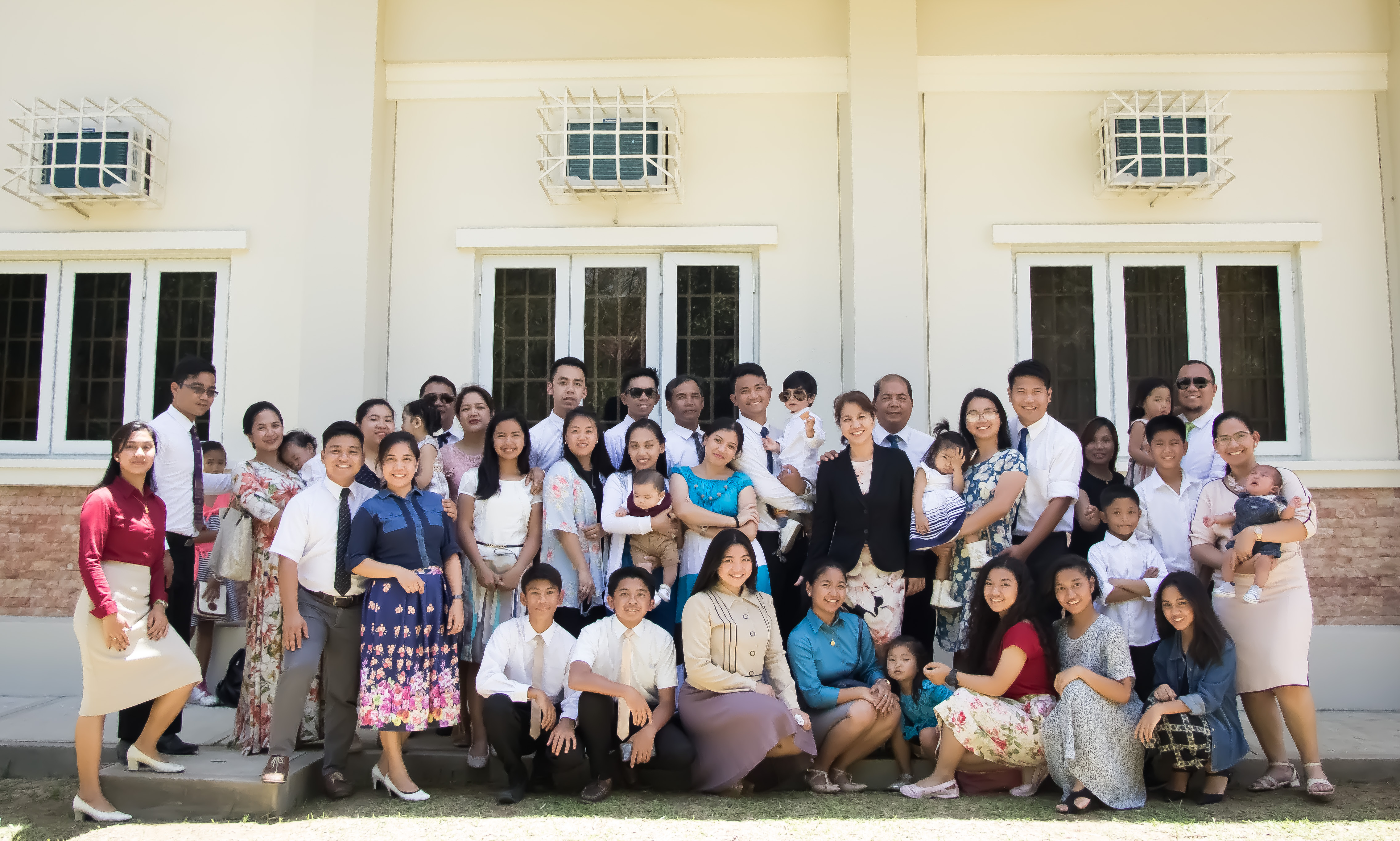
Bishops come from all walks of life. In an organization where there are no paid clergy, Bishops give freely of their time, talents, skills and resources to serve their congregation for a certain length of time. This means they do all of that while still working to earn a living to support their individual families.
So what is different about Mormon bishops when compared to most other ecclesiastical leaders?
Mormon Bishops are Chosen From Out of the Congregation
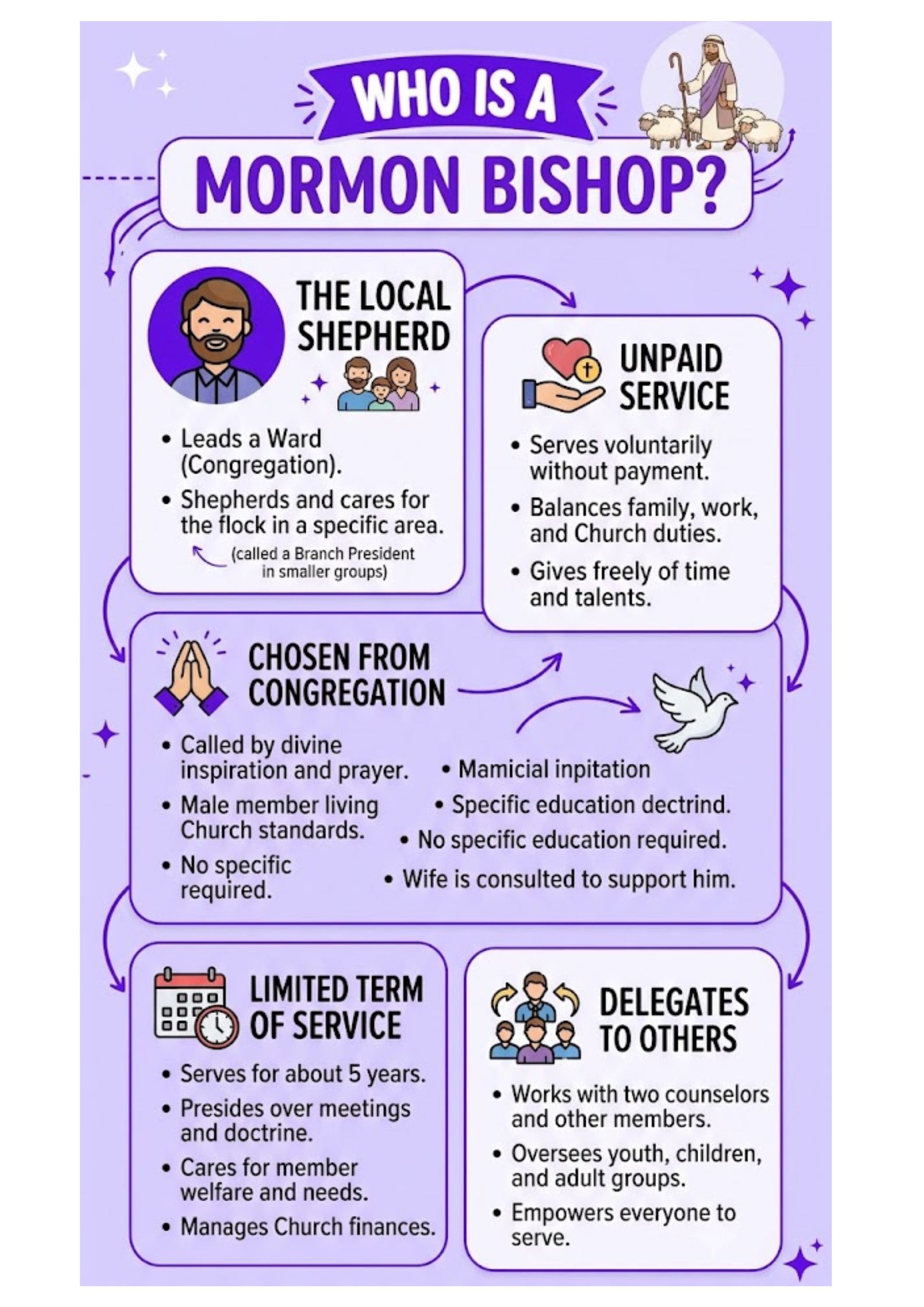
Mormons believe that leaders of the Church receive inspired information – in answer to sincere prayer – as to who they should call to the position of bishop. There are no qualifications of educational attainment or income bracket. They look at the worthiness of male members in a specific geographic area. A bishop must be someone who adheres to the standards of the Church and is striving to live them. He must also have a willingness to serve. The wife of a prospective Bishop is also consulted by leaders, to make sure that she is also willing and able to support him in his duties and obligations to the members of the ward.
Mormon Bishops Serve For a Limited Amount of Time
A Mormon Bishop only serves for an average of five years. Within that span of time, there are numerous things he has to preside over. Some of the most important ones include making sure that the members are “nourished by the good word of God”. He oversees church meetings, especially those on Sunday like Sacrament meeting. He sees to it that correct principles are being taught in classes and everyone is united in doctrine. The Bishop also attends to the welfare of the members. He makes sure that help is available and organizes committees to make sure members’ needs are met. A Bishop is also responsible for the finances of the congregational unit they are serving. He receives tithes and offerings, distributes funds where they are needed and keeps proper records.
Mormon Bishops Are Not the Only Spiritual Teachers
Bishops are expected to delegate. That means he will also get inspiration from the Lord to call other members to help him. First and foremost, he is to recommend two other worthy male members to be his counselors. Most members of the congregation serve others in some capacity. Some teach the children, the youth, the adult women or the adult men to name a few. He will then oversee these groups by conducting meetings. Training and followups are important tools for a Bishop.
Mormon Bishops Serve Without Payment
Bishops serve without any personal compensation, beyond their love for the Lord and the joy of serving their neighbors in love as Christ would serve them. It takes a great deal of faith but they hold onto the promise that “in the service of (their) fellow beings (they) are in the service of (their) God.” Service is a way of life expected from all disciples of Jesus Christ. Elder Dallin H. Oaks taught, “They are totally uncompensated by the coin of mortality. For the reward of their labors, all rely on the Lord’s deferred compensation plan.”
Bishops are men who are “about (their) Father’s business;” men who serve their loving Father in Heaven so His spirit children will be blessed. Perhaps even the true meaning of charity and service are in their “worthy heart and willing hands”.
Being a Bishop is not easy. It is tiring, daunting and requires more than what meets the eye. They give not just time, effort and resources but patience, integrity and a sterling character. Bishops get by with help from the members in their respective units and other Church leaders. But even more important, they get divine help from above, without which, the whole work would be impossible.
Frequently Asked Questions About Mormon Bishops
1. What is the role of a Mormon bishop?
A bishop is the leader of a local congregation, known as a ward. He is considered the spiritual and administrative leader of that congregation. His primary responsibilities include:
-
Guiding members spiritually and helping them follow Jesus Christ.
-
Interviewing members for temple worthiness.
-
Administering Church welfare and helping the poor and needy within the ward boundaries.
-
Overseeing local ward organizations, finances, and activities.
2. How much are Mormon bishops paid?
Mormon bishops are completely unpaid volunteers. They do not receive a salary, stipend, or financial compensation from the Church for their service. They maintain regular full-time secular jobs to support their families and fulfill their church duties during evenings and weekends.
3. Do Mormon bishops go to seminary or divinity school?
No. Because the Church operates on a lay ministry, bishops do not receive professional theological training or formal degrees in divinity. They are chosen from the regular members of the congregation and come from all walks of life—they might be teachers, mechanics, doctors, or accountants.
4. How is a bishop chosen, and how long do they serve?
Bishops are not elected by the congregation, nor do they apply for the position. Instead, they are called through a process of divine inspiration.
-
The Selection: High-level local leaders (the Stake Presidency) pray and recommend a candidate to the Church’s First Presidency for approval.
-
The Tenure: A bishop typically serves for about 5 to 7 years. After this time, he is honorably released, and a new bishop is called. He then returns to being a regular member of the congregation.
5. Can a bishop be married, and can women be bishops?
In the Latter-day Saint faith, bishops must be men and are almost always married. The Church believes this mirrors biblical counsel (such as 1 Timothy 3:2, which states a bishop should be “the husband of one wife”). Marriage is seen as essential because a bishop often counsels families and benefits from the support and perspective of his wife. Women hold many leadership positions within the ward (such as leading the Relief Society or Youth organizations), but the office of bishop is tied to the priesthood, which is held by men.
6. What kind of counseling do bishops provide?
Bishops act as a spiritual counselor for ward members. Members often meet with them to seek guidance on life challenges, marital issues, or financial distress. Bishops also help members through the process of repentance for serious sins.
Note on Professional Boundaries: While bishops offer spiritual counsel, they are explicitly instructed by Church leadership to refer members to licensed, professional therapists for severe mental health issues or clinical counseling.
7. Who assists the bishop in running the congregation?
Because running a ward is a massive undertaking, a bishop does not work alone. He selects two counselors to assist him, forming what is called the Bishopric. He also relies heavily on other ward leaders, including the Elders Quorum presidency and the Relief Society presidency (the women’s organization), to help minister to the needs of the congregation.

