
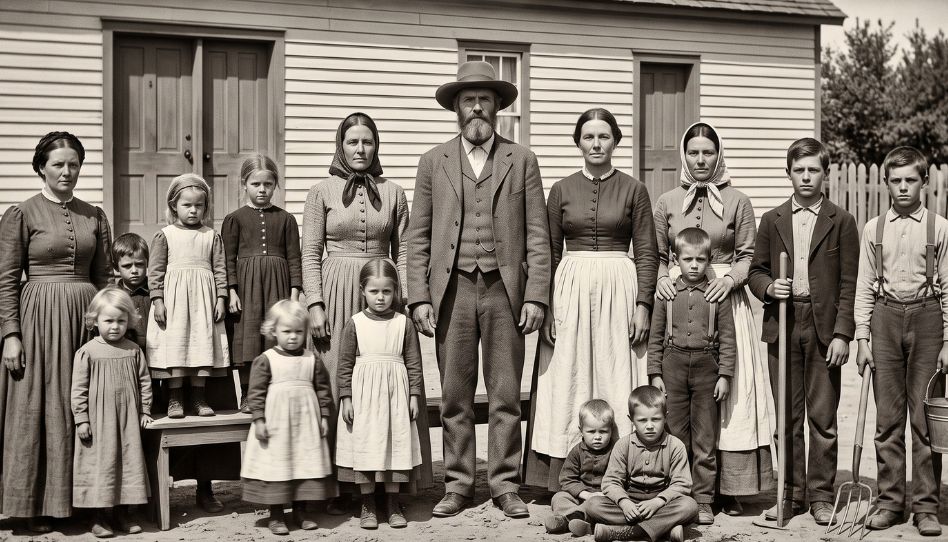
When we look back on church history, there are chapters filled with triumphant faith, deep spiritual conversion, and undeniable miracles. Yet, there are also chapters that prompt sincere questions and ask us to look a little deeper.
One of the most frequently asked—and often misunderstood—topics is the practice of plural marriage among members of The Church of Jesus Christ of Latter-day Saints in the 19th century. When the subject arises, does it make you uncomfortable? If so, you are not alone. Too often, conversations about plural marriage lean toward defensiveness or quiet discomfort, as if we are trying to apologize for our history rather than seeking to understand the hand of God within it.
A Commandment Born from Obedience, Not Convenience
Plural marriage was never an easy lifestyle, nor was it instituted for worldly license or self-serving motives. In the Book of Mormon, the Lord declares the foundational standard of marriage—one man and one woman—while revealing the exception: “For if I will, saith the Lord of Hosts, raise up seed unto me, I will command my people; otherwise they shall hearken unto these things” (Jacob 2:30).
Just as the Lord commanded biblical prophets like Abraham, Jacob, and Moses at specific times, He restored this commandment through the Prophet Joseph Smith to accomplish vital work in the latter days. Plural marriage was strictly regulated; individuals entered it by invitation, and women retained the freedom to choose whether or not to participate.
As outlined in church history and the Gospel Topics Essays, God instituted plural marriage to achieve profound purposes:
- Raising up a righteous posterity: Multiplying the number of children born into gospel covenants, establishing a spiritual foundation for generations.
- Providing covenant blessings for all: Ensuring that worthy women had the opportunity to be sealed into eternal families.
- Fostering equality and unity: Reducing per-capita wealth disparity, integrating diverse backgrounds through intercultural marriages, and forging an unbreakable sense of community among a persecuted people.
- A refining trial of faith: Sanctifying the early Saints through sacrifice, humility, and absolute reliance on the Savior.
Faith Amid Deep Adversity
Accepting plural marriage cut across cultural norms, personal comfort, and legal standards. Yet early Saints embraced it with courageous conviction.
Consider Helen Mar Kimball, who is often cited by critics looking at her young age when sealed to Joseph Smith. Rather than viewing herself as a victim, Helen wrote a pamphlet titled Why We Practice Plural Marriage to show the folly of those who treated it as an unclean thing. She spent her days testifying of the principle, enduring intense social and legal persecution—including an era where Saints were imprisoned for their obedience. Her voice reminds us that those who actually lived the principle saw God’s divine purpose in it.
Consider also where the kingdom of God would be today without their sacrifice. While speculative, it is difficult to imagine the Church reaching over 17 million members, hundreds of operating temples extending ordinances across the veil, and tens of thousands of full-time missionaries without the dedicated families raised up during that pioneer era. Their obedience helped build the bedrock of the restored gospel.
The Ending of the Practice and the Heart of the Family
Toward the end of the 19th century, mounting legal opposition brought severe hardship upon church members. In 1890, following direct revelation received by President Wilford Woodruff, the Church issued the Manifesto, officially ending the practice of plural marriage.
For well over a century, The Church of Jesus Christ of Latter-day Saints has strictly prohibited polygamy. Any splinter groups that continue the practice today have no affiliation with the Church.
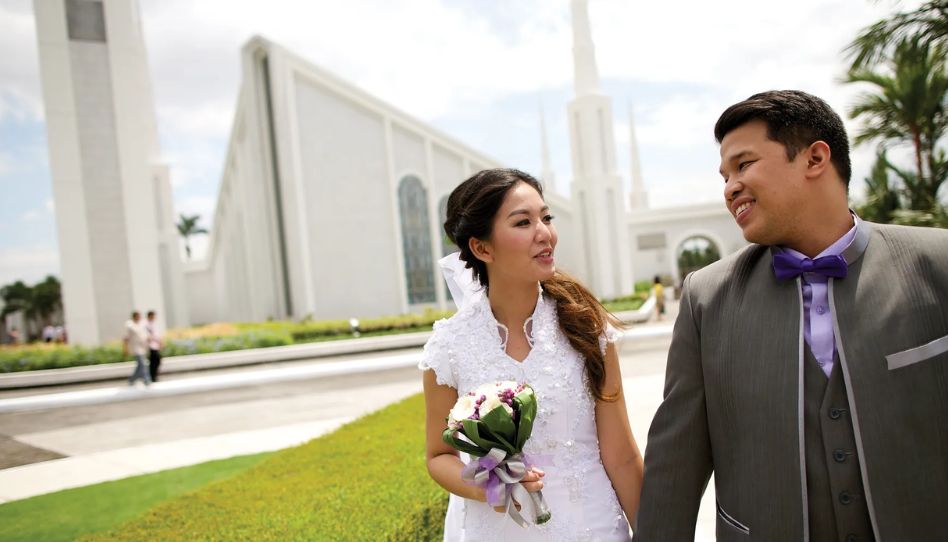
Today, the Church’s focus remains anchored on strengthening marriages between one man and one woman and nurturing strong homes. Through every season, the core doctrine remains unchanged: the supreme importance of the eternal family in Heavenly Father’s plan.
Living this difficult commandment brought genuine heartache and sacrifice, but it was not an error on God’s part. While we may not understand every nuance until all truth is revealed, we can look back with gratitude rather than embarrassment—trusting that God directed His work, sanctified His people, and laid an enduring foundation for His kingdom.